10 Signs Your Aging Parent Needs Help at Home
"I'm fine." If you have an aging parent, you've probably heard those words more than once. Most of the time, they mean it. Our parents raised us, ran households and worked hard for decades. Admitting they need help can feel like giving something up.
But sometimes the house tells a different story than the phone call does. Here are 10 signs we see most often in families across Acworth, Kennesaw, Marietta and the rest of North Georgia, and what you can do about them.
1. The mail is piling up
Unopened bills, late notices or a stack of envelopes on the kitchen table can mean paperwork has become overwhelming. It can also be an early sign of memory changes.
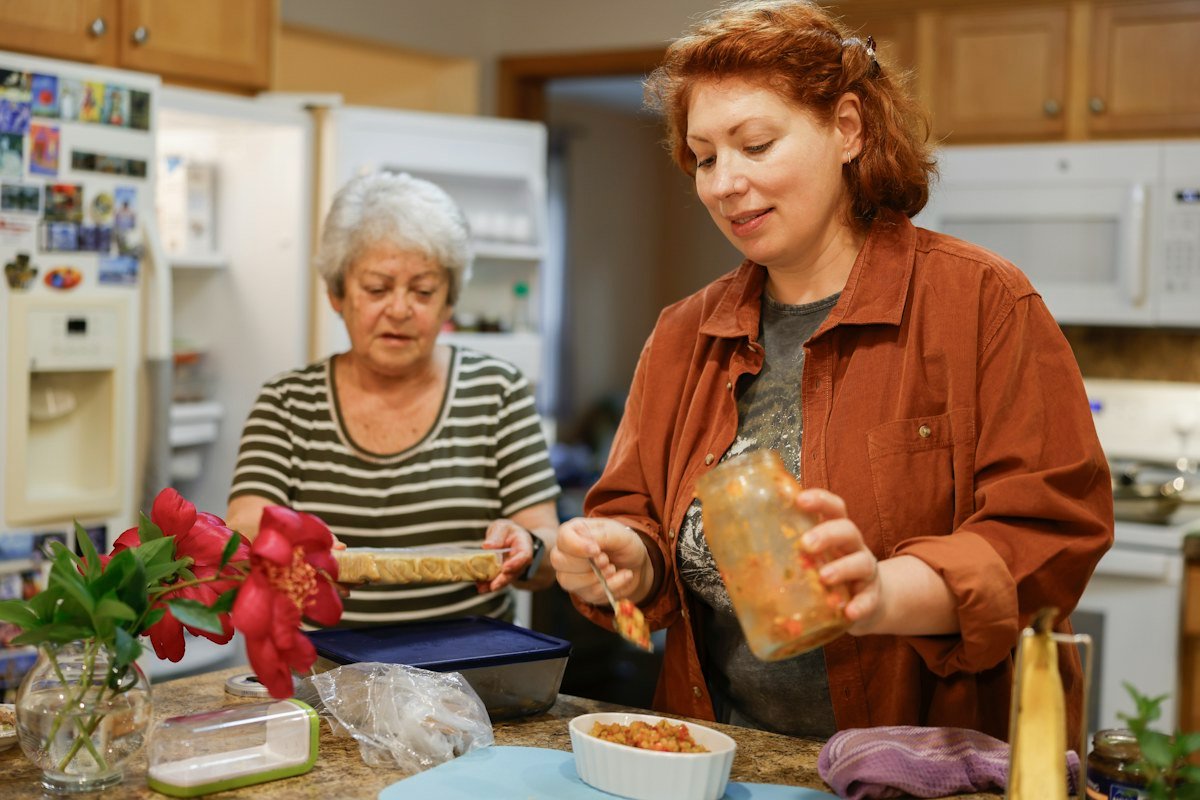
2. There's not much food in the fridge
Look for expired food, very little fresh food, or the same frozen meal over and over. Cooking takes energy, standing and planning. When those get harder, nutrition is often the first thing to slip.
3. Weight loss you can't explain
Clothes that hang looser or a face that looks thinner can point to skipped meals, trouble chewing, depression or a health problem that needs a doctor's attention.
4. New bruises, scrapes or burns
Bruises on the arms and legs can mean bumps and near-falls your parent hasn't mentioned. More than one in four older adults falls each year, and fewer than half tell their doctor, according to the CDC.
5. The same clothes several days in a row
Bathing and dressing take balance, strength and flexibility. If your parent seems less put-together than usual, the shower may have started to feel risky.
6. Medications are missed or doubled
Count a few pills if you can, or check the dates on the bottles. A full bottle of a daily pill that should be half gone is a red flag, and so is an empty one that should last another week.
7. The house is slipping
Dishes in the sink, laundry piled up, a strong smell or clutter in walkways all suggest housework has become too much. Clutter is also a fall risk.
8. Pulling away from people and activities
Skipping church, the senior center, Bible study or lunch with friends often happens when driving gets harder or energy is low. Isolation can affect mood and memory.
9. Dents and scratches on the car
New damage, getting lost on familiar roads or friends who mention close calls are signs it may be time to talk about driving.
10. Repeating questions or stories
Everyone forgets things. Asking the same question several times in one visit, getting lost somewhere familiar, or trouble following a recipe deserves a conversation with the doctor.
What to do if you're seeing these signs
One sign on its own isn't always cause for worry. Several together usually means your parent could use some support. A few next steps:
Write down what you notice, with dates. It helps when you talk to siblings and the doctor.
Schedule a checkup and go along if your parent agrees. Ask about medications, memory and balance.
Start the conversation gently. Focus on what your parent wants, which is usually to stay in their own home.
Start small. Help with housekeeping, meals or rides is often easier to accept than personal care.
Keep Reading
How home care can help
Non-medical home care brings a trained caregiver into the home for a few hours a week or around the clock. At Hands of an Angel Home Care in Acworth, our caregivers help with bathing and dressing, meals, medication reminders, light housekeeping, rides to appointments and companionship. The goal is simple: help your parent stay safe and independent in the home they love, and give your family peace of mind.
If you're seeing some of these signs, call or text us at 678-257-1005 for a free in-home consultation. We'll talk it through with you, no pressure.
